Featured Highlights
- Choose battery capacity based on the complete daily route.
- Check real route conditions before trusting claimed driving range.
- Match passenger capacity with expected travel demand.
- Plan charging points before starting long distance operations.
- Review battery warranty and service support carefully.
- Consider comfort, luggage space, braking, and suspension needs.
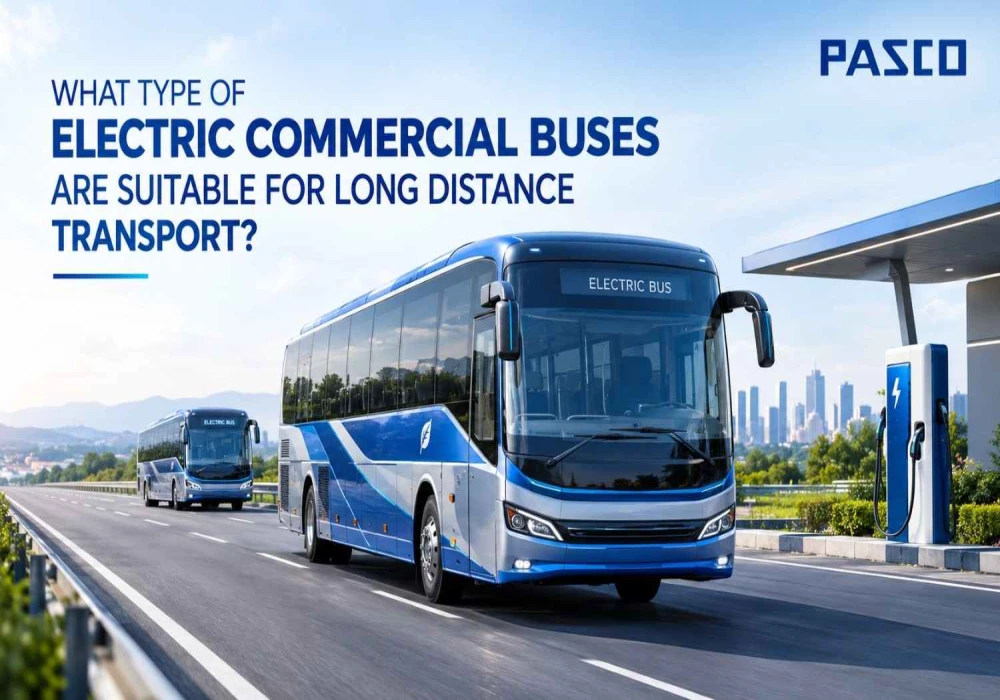
Electric commercial buses are now used for city routes, airport services, staff transport, and intercity travel. For long distance transport, the right bus needs a suitable battery, strong motor, good passenger capacity, and reliable charging support.
This article by one of the best Tata Motors authorized dealers in Chandigarh will help you understand which types of electric commercial buses suit longer routes.
Which Electric Commercial Buses Are Suitable for Long Distance Routes?
They with larger battery packs and higher driving ranges are generally suitable for long distance transport. They can cover longer routes before they need a charging stop.
The bus should also match the route and passenger load. A bus that works well on a flat highway route may need different specifications for hilly roads.
For long distance transport, operators should check these key features:
- High battery capacity
- Long driving range
- Efficient electric motor
- Suitable passenger capacity
- Fast charging support
- Strong braking and suspension systems
- Good thermal management
- Reliable battery protection systems
What Battery Capacity Does a Long Distance Electric Bus Need?
It plays a major role in long distance electric bus performance. A larger battery can store more energy for the journey.
It is usually measured in kilowatt hours, or kWh. A bus with a higher kWh rating can carry more stored energy. The actual travel range still depends on several factors.
Route conditions can change energy use. Passenger load also affects energy consumption. Air conditioning can use extra power, especially during hot weather.
Operators should study the full route before selecting a battery size. They should check the distance between charging points and the expected energy use.
A long distance e-bus should also keep a practical energy reserve. The operator should not plan every trip around the battery's maximum claimed range.
Why Does Driving Range Matter for Long Distance Transport?
It matters because long routes can have limited charging options. A suitable electric commercial bus should cover its planned route with enough energy for normal road conditions.
Manufacturers may provide a claimed range under specific test conditions. Real world range can differ from that figure.
Factors that can affect range include:
- Road speed
- Traffic conditions
- Passenger weight
- Road slope
- Weather
- Air conditioning use
- Driving style
- Battery age
- Tire condition
Which Electric Bus Design Works Well for Intercity Travel?
They need a different setup from short route city buses. Passenger comfort becomes a key part of the design.
A long distance bus may need comfortable seats, better suspension, luggage space, and climate control. The body design should also suit longer highway travel.
A suitable electric commercial bus for intercity use should offer:
High seating capacity
The bus should provide enough seats for the planned passenger volume. The layout should also give passengers enough personal space.
Comfortable suspension
Long trips can become tiring on poor roads. A good suspension system can provide a smoother ride.
Strong braking systems
Long distance buses can carry a heavy passenger load. Reliable braking performance matters on highways and downhill roads.
Efficient climate control
Passengers may spend several hours inside the bus. The air conditioning system should work well without placing excessive demand on the battery.
Adequate luggage space
Intercity passengers often carry bags. The bus should have suitable luggage storage for the route.
Driver focused controls
The driver needs clear controls and useful information about battery status, speed, and energy use.
How Does Charging Affect Long Distance Electric Bus Operations?
Charging plans are a major part of long distance electric bus operations. The bus itself cannot solve the charging problem. Operators also need suitable charging infrastructure along the route.
There are two common charging approaches for commercial electric buses.
Overnight Charging
An operator can charge the bus at its depot after the daily route ends. This method works well when the bus has enough range for the complete daily schedule.
The bus can start its next trip with a full battery. This approach can also reduce the need for charging during passenger service.
Opportunity Charging
Opportunity charging takes place during planned breaks. The bus can receive additional energy at selected points along the route.
This approach can support routes that are too long for one full battery cycle. The operator must plan charging locations carefully.
What Other Factors Should You Check Before Choosing a Long Distance Electric Bus?
The right bus depends on more than battery size. Operators should look at the full operating cost and route requirements.
Start with the daily distance. Then check passenger capacity, road type, charging access, and expected weather conditions.
Battery warranty deserves close attention. The battery is one of the key parts of an electric bus. Operators should understand warranty coverage, service conditions, and expected maintenance requirements.
Route testing can also provide useful information. A trial run on the intended route can show how the bus performs under actual conditions.
Are Electric Commercial Buses Practical for Long Distance Transport?
They can work for long distance transport when the vehicle, route, and charging system match each other. The operator should select the bus based on actual operating conditions rather than battery capacity alone.
They can suit routes such as:
- Intercity passenger services
- Airport transport
- Tourist routes
- Employee transport
- Institutional transport
- Regional public transport
Summing Up
The right electric commercial buses available at Tata Motors authorized dealers in Udaipur for long distance transport need suitable battery capacity, reliable range, efficient motors, comfortable interiors, and proper charging support. Operators should study route distance, passenger load, road conditions, and charging access before choosing a bus.
FAQS
Can electric commercial buses really travel long distances?
Yes. Some are designed for longer routes. Their range depends on battery capacity, passenger load, road conditions, speed, weather, and air conditioning use. The route should match the bus range and charging plan.
Do long distance electric buses need charging during the trip?
Not always. A bus can complete its route on one charge if its battery has enough usable capacity. Longer routes may need a charging stop.
Is a bigger battery always better for long distance travel?
No. A bigger battery can provide more stored energy, but it also adds weight and cost. The battery should match the actual route, passenger load, and charging access.
Can electric buses handle highway travel?
Yes. They can operate on highways when their design suits highway speeds and long operating hours. Operators should check range, motor performance, braking systems, suspension, tire specifications, and charging support before selecting a bus.
What should I check before buying an electric commercial bus for long routes?
Start with the daily route distance and passenger capacity. Then check battery capacity, real world range, charging time, service support, battery warranty, luggage space, safety systems, and expected energy use.




 (1)_500_x_350.webp "Top 10 Reasons Every Contractor Should Own a Skid Steer Loader")
 (1)_500_x_350.webp "Top 10 Tips to Extend the Lifespan of Your Small or Medium Truck")
 (1)_500_x_350.webp "Top 10 Tips To Avoid Scams When Buying a Second-Hand Car Online")